


On Friday 24 April 2026, President John Dramani Mahama launched Ghana’s National Artificial Intelligence Strategy in Accra. The plan runs from 2025 to 2035, and the government has put $270 million behind it. Of that money, $250 million is for a national AI computing centre, and $20 million is for the early work of putting the strategy into practice.
That is a large sum, and a long plan, for a technology most people use every day without thinking about it. If you have used a chatbot, a voice assistant, or a phone that sorts your photos, you have used AI. The question this strategy tries to answer is simple. Will Ghana shape that technology for itself, or will it keep buying what other countries build?
This guide explains what the strategy actually says, in simple words. It explains the eight parts of the plan, what it means for jobs, schools, hospitals and farms, what the law says today, and what is still only a promise.
What Is Actually Happening
A national AI strategy is a written plan from a government. It says how a country will use artificial intelligence, how it will train people to build it, how it will protect people from its harms, and where the money will go. Ghana’s strategy was developed with support from Smart Africa, the German development agency GIZ, the European Union and UNESCO. It is built around eight pillars: AI education, youth employment, digital infrastructure, data governance, ecosystem development, sectoral AI adoption, applied research, and public sector deployment.
In plain words, those eight parts cover four things. First, teach people about AI, from basic school to university and to workers already in jobs. Second, build the machines and the data that AI needs, so Ghana does not have to rent all of it from abroad. Third, use AI in the places that matter most to ordinary life: schools, hospitals, farms, banks and government offices. Fourth, set rules, so AI is used fairly and people’s data is protected.
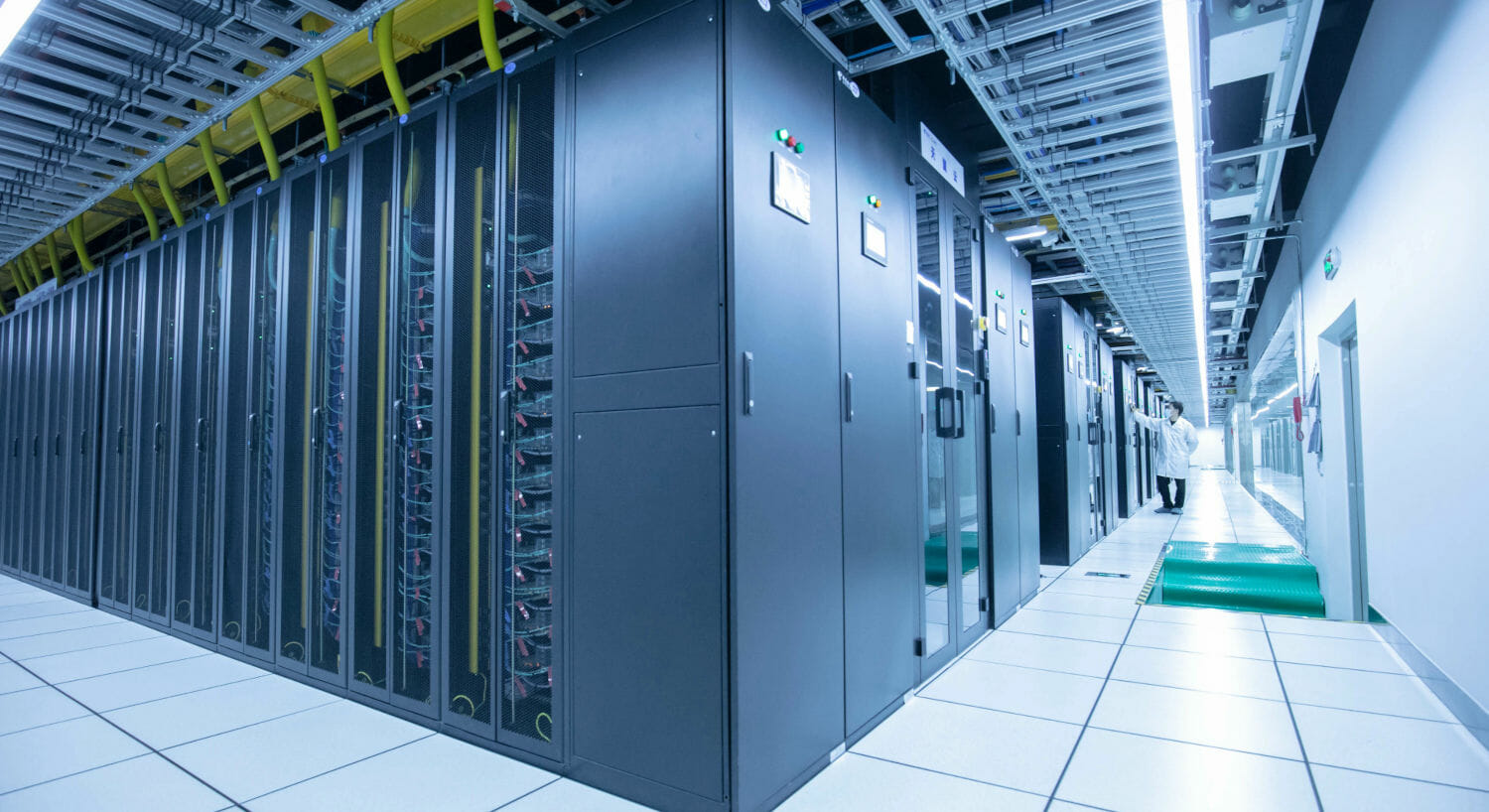
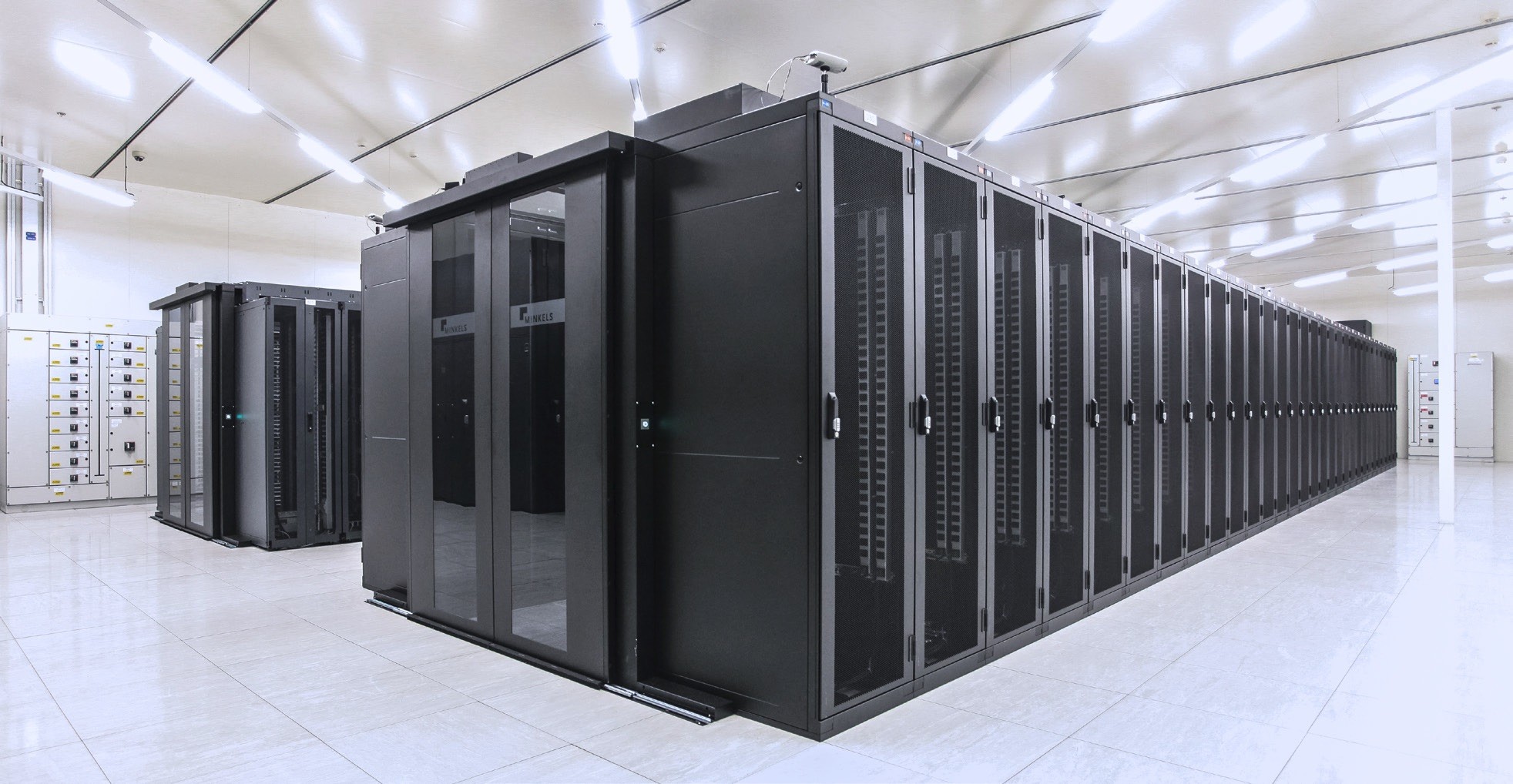
The biggest single item is the National AI Computing Centre, at $250 million. A computing centre for AI is a building full of powerful computers, the kind that can train and run large AI systems. Cabinet approved the centre on 31 March 2026, a few weeks before the strategy was launched, and President Mahama referred to it again at the launch. The centre is meant to be a nerve centre for research, innovation and business, a place where Ghanaian researchers, startups and government teams can build AI in Ghanaian languages and for Ghanaian problems, instead of sending the work abroad.
The plan also sets up a National AI Office under the Ministry of Communication, Digital Technology and Innovation, to coordinate the work, and a Responsible AI Office to watch over how AI is used. A proposed National AI Fund would be seeded at GH₵5 billion over its first five years, according to reporting on the launch, to support Ghanaian AI work over time.
The strategy also promises to put AI, coding, robotics and electronics into the basic school curriculum before the end of 2026, and to train 300,000 Ghanaians in digital and AI skills this year under the One Million Coders Programme. That programme is the training arm of the same ambition. Our guide to the One Million Coders Programme explains how to join it, what you learn, and what certificate you get.
One more target in the plan is easy to miss, and it matters. The strategy aims for one trillion tokens of curated Ghanaian language data by 2030. A token is a small piece of text, roughly part of a word, that AI systems learn from. Ghanaian languages are underrepresented in the data that trains most AI systems, which is one reason those systems often misunderstand Ghanaian names, places and speech. Building a large, clean set of Ghanaian language data is meant to fix that, so future AI tools work better in Twi, Ga, Ewe, Dagbani and other Ghanaian languages.
Why This Is Different
Ghana has had digital plans before. This one is different in three ways.
First, it is funded, at least on paper. Many government plans arrive with no money attached. This one arrived with a $270 million figure, and a $250 million centre that Cabinet had already approved. That does not mean the money has all been spent, or even released. It means the plan starts with a budget, not only a wish.
Second, it is about building, not only using. Until now, most AI in Ghana has been imported. The chatbots, the voice tools and the fraud detection systems were built elsewhere, trained on data from elsewhere, and sold here. The strategy says Ghana should build its own tools, in its own languages, for its own problems. That is a bigger ambition than buying software, and it is harder to do. It needs computers, data, skilled people and time.
Third, it comes at a moment when the law has not caught up. Ghana has no dedicated AI law. Our guide Does Ghana Have an AI Law? explains what actually applies in 2026. The strategy is a policy, not a law. It can guide spending and set up offices, but it cannot by itself create a right to appeal an AI decision, or a fine for misusing AI. That gap is part of the story, not a footnote to it.
Who Is at Risk, and Who Stands to Gain
The strategy affects different people in different ways.
Students and young job seekers stand to gain the most, if the training is real. The plan promises AI and coding in basic schools, and large scale training for adults through One Million Coders. For a young person choosing what to learn, AI skills, data skills and coding are now part of the national plan, not only a private hobby. That does not guarantee a job, and no training programme can promise one. It does mean the skills the country says it needs are the skills worth learning.
Farmers, patients and small businesses are the people the strategy says it wants to serve. In farming, AI can help with weather forecasts, crop disease and market prices. In health, it can help with diagnosis and with reaching patients far from a hospital. In business, it can help with credit, fraud detection and customer service. But these are promises, not results. A farmer in the Northern Region will judge the strategy by whether a useful tool reaches her phone, not by a launch speech in Accra.
Workers whose jobs involve routine decisions face a real risk. AI can take over tasks like sorting documents, answering simple queries and checking forms. That does not mean whole jobs disappear at once. It means the routine parts of many jobs will change, and workers who learn to use AI tools will have an advantage over workers who do not. The strategy’s answer is training, and the honest test of it is whether that training reaches workers, not only students.
Everyone who uses a phone is affected by the data question. AI needs data to learn, and much of that data is personal. The strategy promises data governance, which means rules about what data can be collected, who can use it, and for what purpose. Until those rules are written and enforced, the risk is that Ghanaian data is used to train systems that Ghanaians do not control, and do not benefit from.
What Ghanaian Law Says
There is no AI Act in Ghana. That is the first fact to be clear about. What applies today is a set of older laws, and the strategy itself, which is policy, not law.
The Data Protection Act 2012, Act 843, is the main law on personal data. It says personal data must be collected for a clear purpose, with consent where the law requires it, and kept safe. It gives people a right to ask for their data to be corrected or deleted in some cases. It also says, in Section 41, that a person should not be subject to a decision based only on automated processing, where that decision has a serious effect on them, unless the law allows it. That section matters for AI, because many AI systems make decisions about people, for example in lending or hiring, without a human in the loop.
The Cybersecurity Act 2020, Act 1038, set up the Cyber Security Authority and gives it powers over cybersecurity, including licensing and sanctions. It does not have AI specific rules, but it is the law the Authority uses when AI is used in a scam or a cyber attack. The Authority has already acted in this area. In May 2026, its Cyber and Electronic Evidence Team arrested people for AI deepfake videos impersonating President Mahama, weeks after the strategy was launched.
The Electronic Communications Act 2008, Act 775, governs communications networks and services. It matters because AI tools run over those networks.
The Bank of Ghana is writing AI rules for banks and fintechs. Those rules are still in development, and they will matter most for credit scoring, fraud detection and customer service in financial services. Until they are published, banks and fintechs are expected to follow the existing financial and data protection rules.
The strategy promises a Responsible AI Office to coordinate and monitor progress. As of November 2026, reporting on the rollout says that office is still a name, not yet an institution with a budget and a mandate of its own. That is an honest gap to name. A plan can promise oversight, but oversight only exists when an office has staff, money and the power to act.
What to Actually Do: A Checklist
You do not need to read the full strategy to act on it. These six steps are the practical part.
- Learn one AI skill this year. Start with the One Million Coders Programme if you are eligible, or with a free course in Python, data analysis or AI tools. Our guide to free certifications worth getting before you pay for one is a good place to start.
- Learn how AI tools use your data. Before you paste personal details, customer names, or work documents into a public chatbot, stop and ask where that data goes. Do not paste anything you would not want shared.
- If you run a small business, try one AI tool for a real task, such as drafting replies or organising records, and keep a human checking the result. Do not let an AI tool make decisions about customers, loans or hiring on its own.
- If you are a student, ask your school what AI and coding it teaches, and when. The strategy promises AI in the basic school curriculum before the end of 2026. Asking the question is how a promise becomes a timetable.
- If an AI system makes a decision about you, for example refusing a loan or a job, ask for the reason in writing, and ask whether a human reviewed it. Keep a copy of what you were told. The law on automated decisions is still developing, but a written record is always useful.
- Follow the money, not only the launch. The test of this strategy is not the launch speech. It is whether the computing centre gets a site, an operator and a timeline, whether the Responsible AI Office gets staff and a budget, and whether the training reaches people outside Accra. Check back on those three things in six months.
Conclusion
Ghana’s National AI Strategy is a serious plan, with real money attached and a clear ambition: to build AI in Ghana, in Ghanaian languages, for Ghanaian problems, instead of only buying it from abroad. The launch on 24 April 2026, the $270 million commitment, the eight pillars and the training promises are all real, and they are worth taking seriously.
But a strategy is not a result. The computing centre has no confirmed site, operator or timeline as of November 2026. The Responsible AI Office is still a name, not yet an institution. There is still no dedicated AI law. Those gaps do not make the plan worthless. They make it a plan to watch, and to judge by what gets built, not by what was announced.
The most useful thing you can do is the simplest one. Learn how AI works, learn what it does with your data, and learn one skill that lets you use it rather than only be affected by it. The strategy will be judged in ten years. Your next step can start this week.
Sources
- Ministry of Communication, Digital Technology and Innovation, launch of Ghana’s National AI Strategy, 24 April 2026, as reported by Citi Newsroom and Hot Digital Online, $270 million total, $250 million for the National AI Computing Centre and $20 million for implementation.
- Accra DigiDigest, Ghana Launches National AI Strategy: Eight Pillars, One Decade, and a $250M Computing Centre, April 2026, eight pillars and development support from Smart Africa, GIZ, the European Union and UNESCO.
- Chale.tech, Ghana National AI Compute Centre: what we know, 13 November 2026, Cabinet approval 31 March 2026, no construction timeline, site or operator confirmed publicly as of November 2026.
- Business and Financial Times via GH Headlines, Ghana’s defining pairing: The National AI Strategy and the Pan African AI Summit, 30 April 2026, $270 million commitment, one trillion tokens of Ghanaian language data by 2030, AI in the basic school curriculum before the end of 2026, 300,000 people to be trained this year under One Million Coders.
- Brif Africa, Ghana’s AI Strategy Spent Its First Month Solving a Problem Ghana Doesn’t Have, May 2026, Responsible AI Office still a name, not yet an institution with a budget or mandate.
- Onescholar, Does Ghana Have an AI Law? No, Here Is What Actually Applies in 2026
- Onescholar, One Million Coders Programme Explained
- Data Protection Act 2012, Act 843, including Section 41 on automated decisions. Cybersecurity Act 2020, Act 1038.
