
You download a free app. It promises complete privacy, total anonymity, and protection from every online threat. You switch it on, and you feel safe. Then, on 12 March 2026, the FBI issued a public warning that should make everyone pause. It said some free VPN services may enroll users devices in a residential proxy network, without obtaining their consent.
A residential proxy network routes internet traffic through ordinary home devices, so it looks as if it comes from a normal household. Criminals use such networks to hide who they really are. The FBI said the details are often hidden in the terms of service, which most users do not read. A VPN can be useful, but a bad one can make you less safe.
What Is Actually Happening
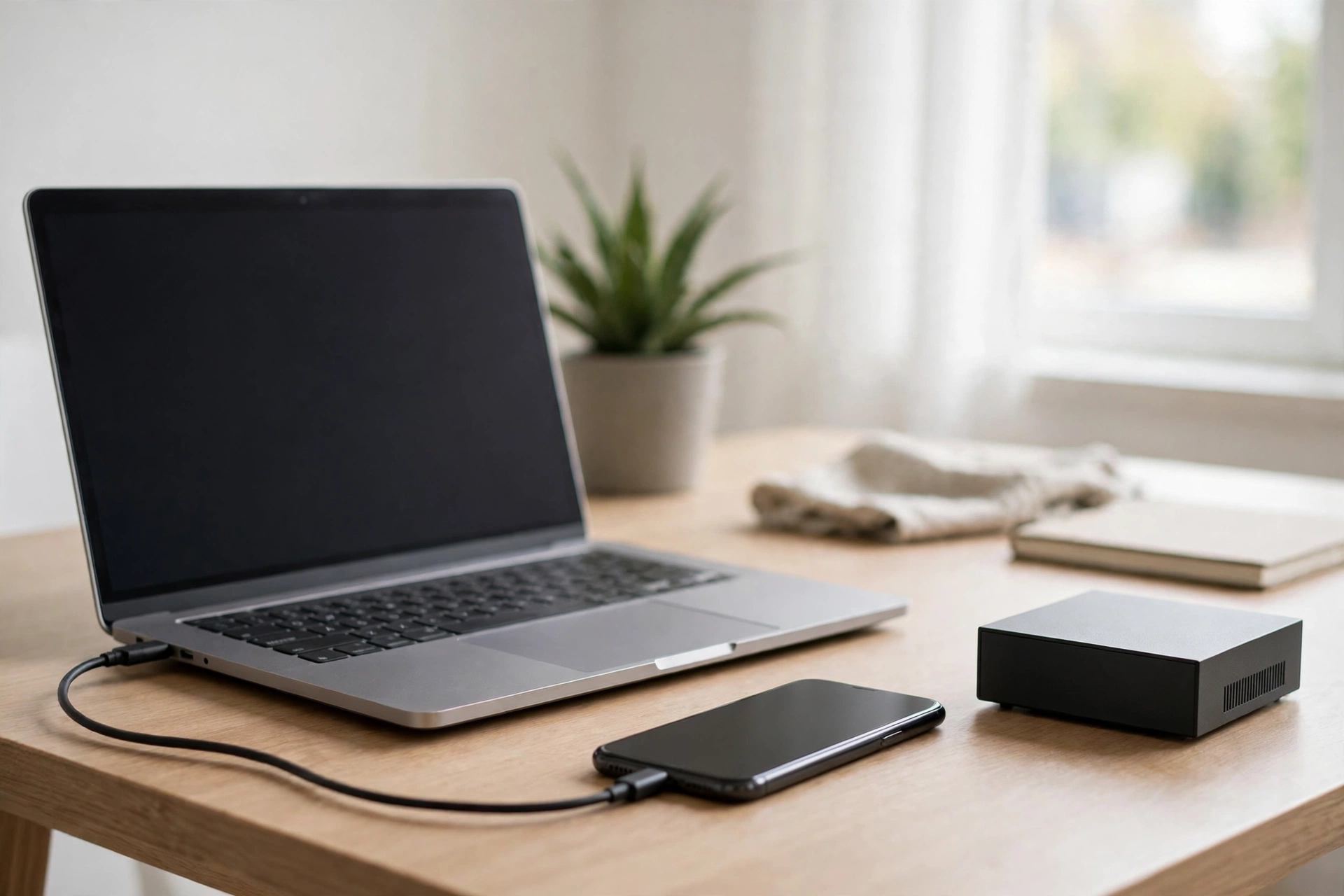
A VPN is short for virtual private network. It changes the route your internet traffic takes. Normally, your phone or computer talks to a website through your internet provider, the company that gives you internet access, such as MTN, Telecel, or AirtelTigo in Ghana.
When you switch on a VPN, your device first creates a scrambled connection to a server run by the VPN company. Scrambled here means encrypted. Encryption turns readable information into code, so only the intended receiver can read it. That scrambled connection is often called a tunnel. Your traffic travels through it to the VPN server, and then the server talks to the website for you. The website sees the address of the VPN server, not your own address. That address is called an IP address, a number that identifies your connection.
What a VPN Genuinely Protects You From
A VPN is most useful on a public or unfamiliar Wi-Fi network. Public Wi-Fi is a wireless network that anyone can join, in a cafe, a hotel, an airport, or a shopping mall. If the network is old or badly set up, someone else on the same network could try to watch your traffic. A VPN reduces that risk, because your traffic is scrambled before it leaves your device. A VPN also limits what your internet provider can see. Without a VPN, your provider can see which sites you visit. With a VPN, it cannot easily see your final destination. A VPN can also help you reach a service that is restricted by place, by making your connection appear to come from a different country.
Why This Is Different From What the Adverts Promise
The adverts often promise much more than this. They talk about complete privacy, total anonymity, and protection from hackers, scams, and trackers, all in one app. That promise is too wide. A VPN changes the route of your traffic. It does not make you invisible.
The key point is simple. A VPN does not remove trust. It moves trust. Without a VPN, you trust your internet provider and the Wi-Fi network you are using. With a VPN, you trust the VPN company instead. That company runs the server your traffic passes through, and it can, in principle, see which services you connect to. A privacy policy explains what a company collects about you and who it shares it with. If that document is vague, or if you cannot find it, that is a warning sign.
What a VPN Does Not Protect You From
A VPN does nothing to stop phishing. Phishing is a trick where a scammer sends you a fake message, email, or link that looks real, and tries to get you to hand over money, a password, or a one time code. A VPN does not check whether a website is honest.
The same is true for mobile money fraud. If a scammer calls you, pretends to be from your bank, and talks you into sending money, a VPN will not help. The fraud happens because you were persuaded, not because your connection was watched. For how those scams work in Ghana, read How Mobile Money Fraud Actually Works in Ghana, and How to Not Be the Next Victim.
A VPN also does not make you anonymous. If you log in to Google, Facebook, or your bank, that service knows who you are, no matter what address you appear to come from. Websites can also track you through cookies, small files that help a site recognise you, and through browser fingerprinting, which identifies your device from its settings. A VPN touches neither, and it does not remove malware, harmful software that can steal information.
Who Is At Risk
The people most at risk are not careless people. They are ordinary people who believe the adverts too literally. If you think a VPN makes you safe from every threat, you may stop doing the checks that actually protect you. That false sense of safety is the real danger.
Travellers face the network risk a VPN is built to reduce, because they often use Wi-Fi in hotels, airports, and cafes. But they face the same phishing and fraud risks as everyone else, and a VPN does not reduce those. Young people starting out in tech face a similar mix. Many learn to code or look for work from a shared hub or a cafe, so a VPN can be a sensible tool. Yet job seekers are a common target for fake job offers, and no VPN will spot those. If you are building a tech career, our guide, How to Break Into Tech Without a Computer Science Degree, sets out safer routes.
Free VPNs, The Trade Off Nobody Explains
Running a VPN service costs money. Servers, bandwidth, and staff do not run themselves. When a VPN is offered for free, it is fair to ask how the company pays its bills. In many documented cases, the answer has been advertising or the collection and sharing of user data.
In June 2024, Top10VPN tested the 100 most popular free Android VPN apps. It found that 88 percent suffered some kind of data leak, and 71 percent shared personal data with third parties, such as social media companies and data brokers. Those 100 apps had together been installed more than 2.5 billion times. The FBI warning from 12 March 2026 adds a second concern, that free VPN services may enroll users devices in a residential proxy network, without obtaining their consent. If an app is free, unlimited, and promises everything, ask what you are paying with, even if you are not paying with money.
What Ghanaian Law Says
There is no law in Ghana that makes using a VPN illegal. You can use one for privacy, for work, or for reaching a service that is restricted by place. But using a VPN does not make an illegal act legal. If you use a VPN to commit fraud, you are still breaking the law. The tool does not change the act.
Ghana does have a law that protects personal information. The Data Protection Act, 2012, Act 843, sets out rules for how organisations collect, use, store, and share personal data. Personal data is any information that can identify a person, such as a name, a phone number, or an IP address. The Act set up the Data Protection Commission, which registers organisations that handle personal data. If you are a victim of online fraud, report it to the Cyber Security Authority, by calling or texting 292, on WhatsApp at 0501603111, or by email to report@csa.gov.gh.
When a VPN Is Genuinely Worth Using
A VPN earns its keep on public or unfamiliar Wi-Fi networks. If you are in a cafe, a hotel, or an airport, and you need to check email or log in to a work system, switching on a reputable VPN is a sensible step. It is also useful if you need to reach a service that is restricted by place, or if your employer asks you to connect through the company VPN.
For ordinary browsing at home, the benefit is smaller. Most websites now use HTTPS, a secure version of the web address system that encrypts traffic between your device and the website. The HTTP Archive Web Almanac for 2025 found that over 98.8 percent of mobile web requests used HTTPS. If the problem is someone on the same Wi-Fi network watching your traffic, a VPN helps. If the problem is a fake website, a scam message, a weak password, or malware, a VPN does not help.
What To Actually Do, A Protection Checklist
- Use a VPN on public Wi-Fi before you log in to email, banking, or work.
- Check the network name with staff before you connect. A fake hotspot with a similar name is a common trick.
- Before you install a VPN, read its privacy policy. Check what it collects and whether it shares data.
- Be wary of free VPN apps that promise unlimited use with no clear way of paying for the service.
- Check what the VPN covers. Some apps protect only one browser, not the whole device.
- Use strong, unique passwords, turn on two factor authentication, and keep your software updated.
- Do not click links in unexpected messages, even with a VPN on. If a message asks for money or a code, pause and verify through a channel you trust.
- If you think you have installed a bad VPN, uninstall it and change your important passwords, starting with email and banking.
- If you have lost money to a scam, report it to the Cyber Security Authority on 292, on WhatsApp at 0501603111, or by email to report@csa.gov.gh.

Conclusion
A VPN is a genuinely useful tool for a specific, narrower problem than its marketing usually admits. It protects your traffic on a network you do not control, and it hides your IP address from the websites you visit. It does not stop phishing, it does not spot a fake website, and it does not make you anonymous.
Think of it as one layer, not a shield. The other layers are the habits that protect you every day. Pause before you click. Check who you are really talking to. Use strong passwords and two factor authentication. Report scams so others can be warned.
Sources Referenced
- FBI, Evading Residential Proxy Networks, Protecting Your Devices from Becoming a Tool for Criminals, Public Service Announcement, 12 March 2026, Alert Number I-031226-PSA. https://www.fbi.gov/investigate/cyber/alerts/2026/evading-residential-proxy-networks-protecting-your-devices-from-becoming-a-tool-for-criminals/layout_view
- Top10VPN, Free VPN Investigations, June 2024, testing of the 100 most popular free Android VPN apps. https://www.top10vpn.com/research/free-vpn-investigations/
- HTTP Archive, Web Almanac 2025, Security chapter, HTTPS use in mobile web requests. https://almanac.httparchive.org/en/2025/security
- Data Protection Act, 2012, Act 843, Republic of Ghana, text of the Act. https://legal.ghanainfocentre.com/index.php?title=Data_Protection_Act,_2012_(Act_843)
- Cyber Security Authority, Ghana, 24 hour Cybersecurity and Cybercrime Incident Reporting Point of Contact, call or text 292, WhatsApp 0501603111, email report@csa.gov.gh. Reporting channels confirmed in CSA public alerts reported in November 2026.