
How to Check If a TraffiTech Fine SMS Is Real in Ghana
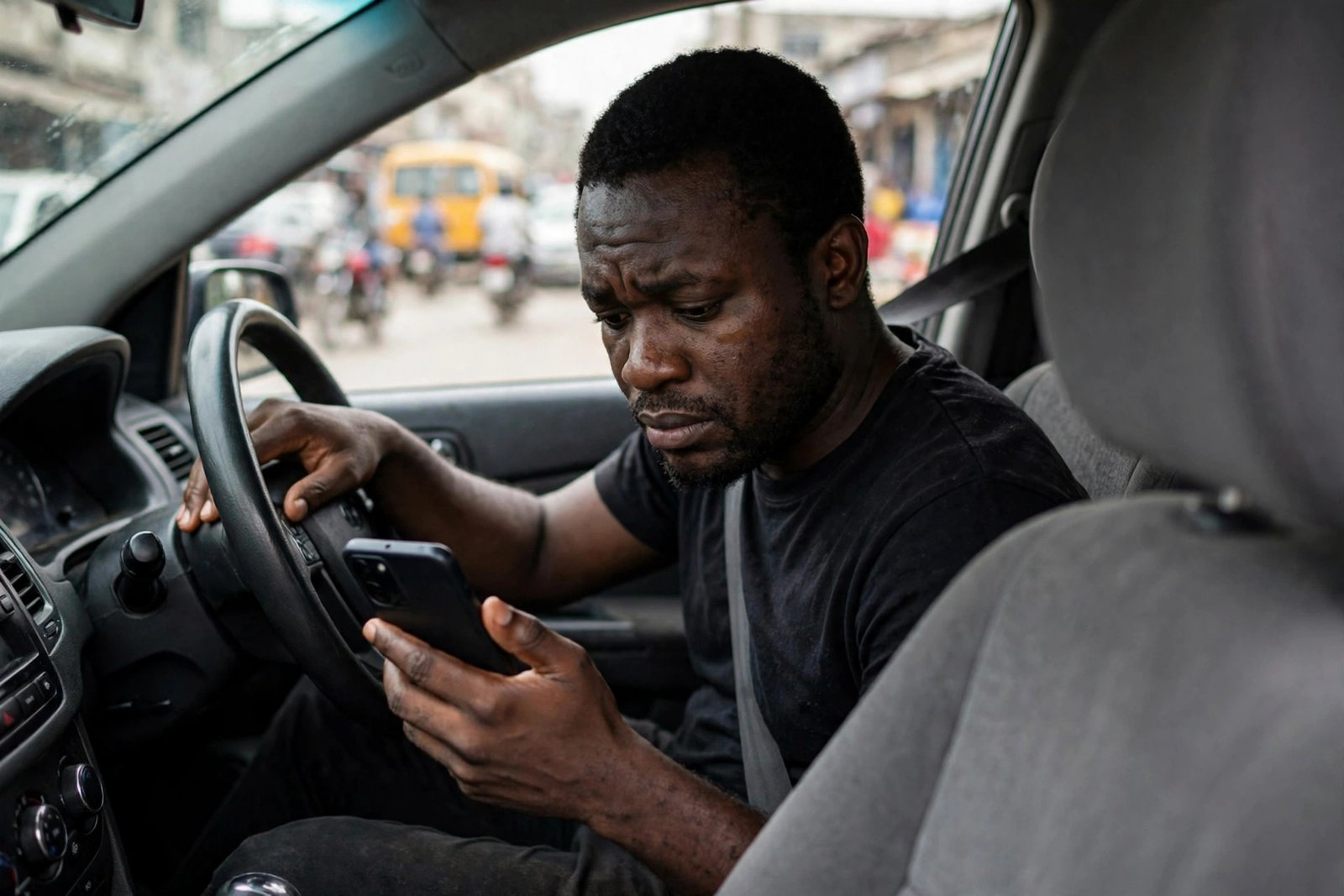
You are driving home when a text arrives. It says your vehicle was caught speeding, gives a ticket number and a vehicle number, and tells you to click a link and pay the fine. The message looks official. It uses the right words. It even has details about your vehicle. So you click.
That click may be the scam.
Ghana’s Cyber Security Authority, known as the CSA, issued a public alert on 9 November 2026 about fake text messages pretending to come from TraffiTech-GH. TraffiTech-GH is the Ghana Police Service system that uses cameras to catch traffic offences automatically. It started on 1 November 2026. Within days, scammers were sending fake fine messages to drivers. The Ghana Police Service had already warned drivers about the same trick on 2 November 2026, one day after the system started, and repeated the warning in a press release on 4 November 2026.
This article explains how the real system works, how the fake messages work, who is at risk, what Ghanaian law says, and what to do before you pay anything.
What Is Actually Happening
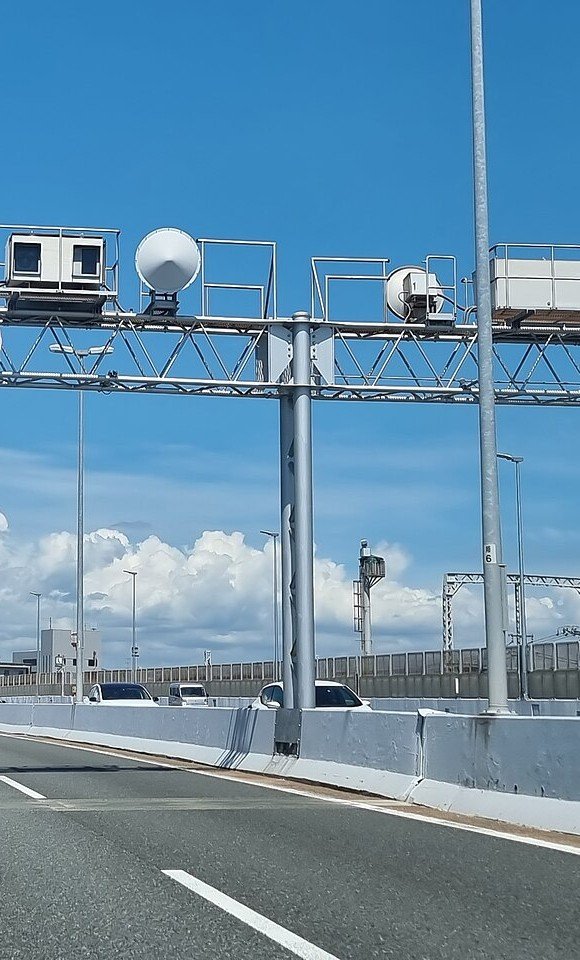
TraffiTech-GH is an automated traffic enforcement system run by the Motor Traffic and Transport Department, known as the MTTD, of the Ghana Police Service. Cameras and sensors record vehicles that break traffic rules, such as speeding and running a red light. The system then sends an Electronic Notice of Violation, known as an ENV, by text message to the registered owner of the vehicle. An ENV is simply the official notice that tells you what offence was recorded, where and when it happened, and how much you must pay.
A real notice comes only from the sender ID GPS-MTTD. A sender ID is the name shown at the top of a text message instead of a phone number. It is the first thing to check, and it is the check the Police and the CSA both stress. A real notice will not come from an ordinary mobile phone number.
A real notice also carries a ticket number, your vehicle registration number, the location, date and time of the offence, the offence itself, the amount to pay, and the payment deadline. You have 14 days from the date of the notice to pay the fine or to contest it. To contest means to formally disagree with the fine and ask for it to be reviewed. You can view the photo and video evidence of the offence by going to the official payment portal yourself and entering your ticket number there.
You pay a real fine in only two approved ways. The first is the National Investment Bank payment portal at traffitech-ghpay.nib.com.gh. The second is to dial *710*0# on your phone and follow the prompts, using your ticket number. Do not pay a traffic fine to a personal mobile money number, a private account, or an officer who asks for cash. The Police have said clearly that those are not approved ways to pay.
The CSA alert, reference CSA/CERT/MPA/2026-11/01, said the fake messages also contain ticket and vehicle details, to make them look real. When the person follows the link in the message, it opens a fake payment portal. That portal asks for bank card details, including the card number, the expiry date, and the CVV. A CVV is the three digit security code on the back of a bank card. With those details, a scammer can try to use the card. The fake messages also offered other ways to pay, including online links and USSD codes, to make the demand look genuine. A USSD code is a short code you dial on your phone, like *710*0#, to use a service without the internet.
Some drivers shared examples of the fake messages from early November 2026. They arrived from ordinary numbers, not from GPS-MTTD, and used shortened links. One example read, “Official Traffic Message: Your vehicle has a recorded traffic violation. Check the relevant information through the official portal,” followed by a short link. The Police say a message with a clickable link to pay is likely a scam, so do not tap it. Type the portal address into your browser yourself instead.
Why This Is Different
This scam is different because the system it copies is real, new, and widely talked about. TraffiTech-GH started only on 1 November 2026, and many drivers are still learning how it works. When a fine message arrives in that first week, it does not feel strange. It feels like the new system doing its job. A scammer does not need to convince you that traffic cameras exist. The news already did that for them.
It is also different because the message may carry details that feel private. A ticket number, a vehicle number, a date and a place. Those details make the message feel checked and personal. But a vehicle number is visible on the road, and a ticket number can be invented. Real details do not prove a message is real. Only the sender ID and the payment channel prove that, and both are easy to check.
Third, the scam asks for card details, not only a mobile money PIN. Many people in Ghana know never to share a mobile money PIN or a one time password, known as an OTP, which is a short code sent to your phone to confirm a payment. Fewer people think of a card number, expiry date and CVV in the same way. Yet those three details are enough for a scammer to try to spend from the card. The fake portal looks like a payment page, so entering card details there feels normal. That is the trap.
The same trust is used in other scams. In our guide to mobile money fraud in Ghana, we explain how scammers use familiar channels to get people to send money before they check. A fake fine text works the same way. It also uses the same trick as a fake business listing, where a familiar name hides a changed phone number, which we explain in our article about fake restaurant listings in Ghana.
Who Is Actually at Risk
Any driver or vehicle owner in Ghana is at risk, because the scam targets the message itself, not a particular type of person. If you own a car, a taxi, a trotro, a motorbike or a company vehicle, a fake fine message can reach you. The risk is in the habit of paying quickly, not in the person.
Some people face the risk more often. Commercial drivers, dispatch riders, and people who drive every day for work are more likely to receive a message, real or fake, because they are on the road more. Company drivers and fleet managers are at risk too, because a message may arrive for a vehicle they drive but do not own, and they may feel pressure to pay fast and sort it out later.
People who have never received a traffic fine before are also at risk, because they have no real notice to compare the fake one with. They do not know what a real GPS-MTTD message looks like, so a message from an ordinary number with a link can pass as real. New drivers, and people who recently bought a vehicle, should take extra care.
Passengers are not asked to pay, but they can still be affected. If a driver pays a fake fine, the money is lost. If a driver ignores a real fine because they think every message is a scam, the real fine stays unpaid. That is why the check matters in both directions. Do not pay a fake, and do not ignore a real one.
What Ghanaian Law Says
Ghana has laws that cover this kind of fraud, even though no single law is called the fake fine law. The Road Traffic Regulations, 2026, known as L.I. 2519, provide the rules for TraffiTech-GH. They say an Electronic Notice of Violation will be sent to the registered phone number of the owner of the vehicle. That is the legal basis for the real system, and it is why a real notice goes to the registered owner, not to a random number.
The Cybersecurity Act, 2020, known as Act 1038, set up the Cyber Security Authority and gives Ghana a framework for dealing with cybercrime, which is a broad term for crimes committed using a computer, a phone, or the internet. Sending fake fine messages to steal card details falls under that framework.
Fraud by false pretences is also an offence under Ghana’s Criminal Offences Act, 1960, known as Act 29. False pretences means getting money by making a false statement that the other person believes, which is what a scammer does when pretending to be the Police and asking for a fine.
The Data Protection Act, 2012, known as Act 843, protects personal data, which is information that can identify a person, such as a name or a phone number. A scammer who uses your details to make a fake message look real is misusing that information.
The law has limits. The Police and the CSA can investigate, and they can warn the public, but they cannot always recover money already paid to a scammer, especially if the report comes late. That is why checking before you pay matters most. The CSA has shown it will act when the rules are broken, as we explain in our article about the CSA fine against EY Ghana. This section is general information, not legal advice.
What to Actually Do: A Protection Checklist
Use this checklist every time you receive a fine message.
- Check the sender ID first. It must read GPS-MTTD. If it is an ordinary phone number, or any other name, treat the message as fake. Do not click anything in it.
- Do not tap a link in the message. A real notice does not need you to tap a link to pay. If you want to check the fine, type traffitech-ghpay.nib.com.gh into your browser yourself, and enter the ticket number there to see the photo and video evidence.
- Check the ticket number on the official portal. Enter the ticket number from the message on the portal. If no such fine exists there, the message is fake.
- Pay only through the two approved channels. Use the NIB portal at traffitech-ghpay.nib.com.gh, or dial *710*0# and follow the prompts with your ticket number. Never pay to a personal mobile money number or a private account.
- Never share your card details, PIN or OTP through a link. A real fine payment does not ask you to enter your card number, expiry date and CVV on a page you reached from a text message. A PIN is the secret number that authorises payments from your account. An OTP is a short code sent to your phone to confirm a payment. No genuine institution will ask for either by text.
- Remember the 14 days. You have 14 days from the date of a real notice to pay or to contest it. A message that says you will be arrested today unless you pay now is using fear to rush you. Slow down and check.
- Save the message and report it. Take a screenshot of the fake message, including the sender number and the link, and save it. Then report it to the CSA by calling or texting 292, sending a WhatsApp message to 0501603111, or emailing report@csa.gov.gh. You can also report it to the Police on 191 or the toll free number 18555. For questions about TraffiTech-GH itself, call the call centre on 0596922402.
If you already clicked a link or entered card details, act fast. Call your bank at once and ask them to block the card and check for transactions you did not make. Change any password or PIN you entered. Then report the message to the CSA on 292 and to the Police on 191. Keep the screenshot and the transaction details, because the bank and the Police will ask for them.

Conclusion
TraffiTech-GH is real, and so are the fake messages copying it. The system started on 1 November 2026, the Police warned drivers on 2 November, and the CSA issued its alert on 9 November 2026. The scammers moved fast because the system was new and drivers were still learning how it worked.
The check is simple, and it takes less than a minute. Look at the sender ID. It must read GPS-MTTD. Do not tap a link in the message. Type the portal address yourself, enter the ticket number, and pay only through the NIB portal or *710*0#. If the message fails any of those checks, do not pay, save it, and report it to the CSA on 292.
A real fine will still be there after you check. A fake one will not survive the check.
Sources Referenced
- Ghana Police Service, TRAFFITECH-GH, official information and FAQs: https://police.gov.gh/en/index.php/traffitech-gh/
- Cyber Security Authority, public alert on fake TraffiTech-GH messages, 9 November 2026, reference CSA/CERT/MPA/2026-11/01, reported by Ghanaian Times: https://ghanaiantimes.com.gh/cyber-security-authority-warns-against-fake-traffitech-gh-traffic-fine-messages/
- Ghana Guardian, Motorists warned to check TraffiTech-GH fines after fraud reports: https://ghanaguardian.com/motorists-warned-to-check-traffitech-gh-fines-after-fraud-reports/
- Cyber Security Authority: https://www.csa.gov.gh/
- National Investment Bank TraffiTech payment portal: https://traffitech-ghpay.nib.com.gh